
Leading Tools And Materials For Concrete Installations For Better Outcomes
Equip yourself with industry-approved products that support precision, durability, and efficiency in concrete work.
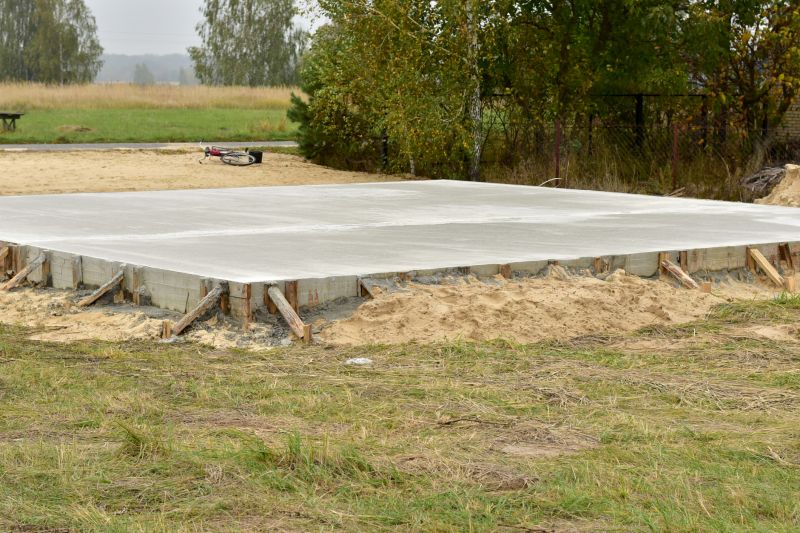 Concrete installations are foundational elements in many construction and renovation projects, providing durability and stability for structures such as driveways, patios, walkways, and foundations. Selecting the right products for concrete installation is essential to ensure longevity, safety, and a professional finish. From setting and curing compounds to reinforcement materials, there is a wide range of products designed to facilitate various stages of concrete work.
Top Overall Option
Versatile Concrete Forming System
A comprehensive forming system that offers adjustable panels, reusable materials, and easy setup, helping to create precise forms for various concrete projects. Designed for both professional and DIY use, it supports a wide range of shapes and sizes, enabling consistent results and efficient workflows.
Types of Products For Concrete Installations
Concrete Mixes and Cements
Different formulations tailored for strength, setting time, and workability, suitable for various applications.
Form Release Agents
Products that help in removing forms cleanly and prevent sticking, ensuring smooth finishes.
Concrete Sealers
Protective coatings that enhance durability and resist moisture, stains, and wear.
Reinforcement Materials
Rebar, wire mesh, and fiber reinforcements to improve structural integrity.
Expansion Joints
Flexible strips and materials that accommodate movement and reduce cracking.
Concrete Admixtures
Additives that modify setting time, workability, and durability of concrete mixes.
Concrete Vibrators
Tools used to eliminate air bubbles and ensure proper compaction of the mixture.
Concrete Trowels and Finishing Tools
Tools for smoothing and finishing concrete surfaces to desired textures.
Concrete Edgers and Groovers
Tools that create clean edges and control joints for aesthetic and structural purposes.
Curing Blankets and Covers
Materials that help maintain moisture during the curing process for optimal strength.
Concrete Pumps and Buckets
Equipment for efficient transportation and placement of concrete in various locations.
Formwork and Shoring Systems
Reusable molds and supports that shape and hold concrete until it sets.
Surface Retarders
Chemicals that delay surface curing to reveal decorative aggregate finishes.
Concrete Repair Products
Patch compounds and bonding agents for fixing cracks and surface damage.
Concrete Curing Compounds
Sprayable coatings that retain moisture and promote proper curing.
Tools for Surface Texturing
Mops, brushes, and stamps to create decorative finishes.
Anchor Bolts and Fasteners
Hardware for attaching fixtures securely to concrete surfaces.
Popular Choices
Available in various formulations suited for different project needs and conditions.
Widely used to facilitate clean form removal and surface finish quality.
Popular for protecting surfaces from stains and moisture over time.
Common reinforcement options for added structural support.
Frequently selected to manage movement and prevent cracking.
Essential for ensuring proper compaction in many concrete placements.
Trowels and floats are regularly used to achieve smooth surfaces.
Popular for maintaining optimal moisture during curing phases.
Often used for large or hard-to-reach pours.
Reusable molds that help shape concrete efficiently.
Chosen for decorative finishing techniques.
Commonly used for fixing cracks and surface imperfections.
Frequently selected for attaching fixtures securely.
Proper preparation and the right tools can significantly impact the quality of the finished project. For example, choosing appropriate form release agents can help achieve clean, smooth edges, while the selection of suitable sealers can protect the surface from moisture and wear over time. Additionally, accessories like expansion joints, rebar, and mesh are vital for controlling cracking and enhancing structural integrity.
When planning a concrete installation, understanding the specific requirements of your project is crucial. Factors such as load-bearing capacity, exposure conditions, and aesthetic preferences influence the choice of products. Using high-quality, compatible materials can simplify the process, reduce the need for repairs, and ensure the work meets safety standards. Whether you are a DIY enthusiast or a professional contractor in Southport, NC, the right products can make a significant difference in achieving a successful outcome.
Investing in reliable products tailored for concrete work can also improve efficiency and safety on site. Properly selected tools and materials help minimize waste, prevent delays, and promote a smooth workflow. From mixing and pouring to finishing and sealing, each product plays a role in the overall quality and durability of your concrete installation. Carefully considering your project's specific needs will lead to more satisfactory results and long-lasting structures.
Key Buying Considerations
- Compatibility with specific concrete types and project requirements.
- Durability and resistance to environmental factors relevant to Southport, NC.
- Ease of application and handling, especially for DIY projects.
- Reusability and long-term cost-effectiveness of form systems.
- Curing time and moisture retention properties of sealers and blankets.
- Compatibility of reinforcement materials with concrete mixes.
- Surface finish preferences and the tools required to achieve them.
- Size and scale of the project to determine appropriate quantities and equipment.
- Safety features and ease of use for power tools and heavy equipment.
- Availability of replacement parts and accessories.
- Compliance with local building codes and standards.
- Brand reputation and user reviews for product reliability.
- Storage and transportation considerations for bulk materials.
- Environmental conditions of the installation site, such as humidity and temperature.
- Budget constraints balanced with quality and performance needs.